Heritage roofing: listed buildings and conservation areas
Macclesfield has a large number of listed buildings, from silk mills and weavers' cottages to Georgian town houses and churches, and several conservation areas. Roof work on these buildings has to keep the original materials and methods where possible: Welsh or stone slate, lime mortar, traditional leadwork and cast iron gutters, and it often needs consent before it starts.
Consent comes first
On a listed building, most work that changes the roof, including replacing materials with different ones, needs listed building consent from the council, and doing it without consent is a criminal offence. Like-for-like repairs using matching materials are often allowed without consent, but the council's conservation officer decides where the line is. We advise speaking to them early, and we can provide a written method and materials list for an application.
In a conservation area, the rules are lighter, but changes to roof materials, chimneys and roof windows facing the street can still need planning permission, especially where an Article 4 direction removes permitted development rights.
Traditional materials we work with
- Welsh slate, new and reclaimed, laid in diminishing courses where the original roof was
- Stone slates: heavy sandstone flags from the Pennine edge, including Kerridge stone around Bollington
- Lime mortar for ridges, torching and pointing, which lets old walls and roofs breathe
- Traditional lead rolls, drips and welts on bays, dormers and parapet gutters
- Cast iron gutters and downpipes, repaired or replaced to match
Stone slate roofs
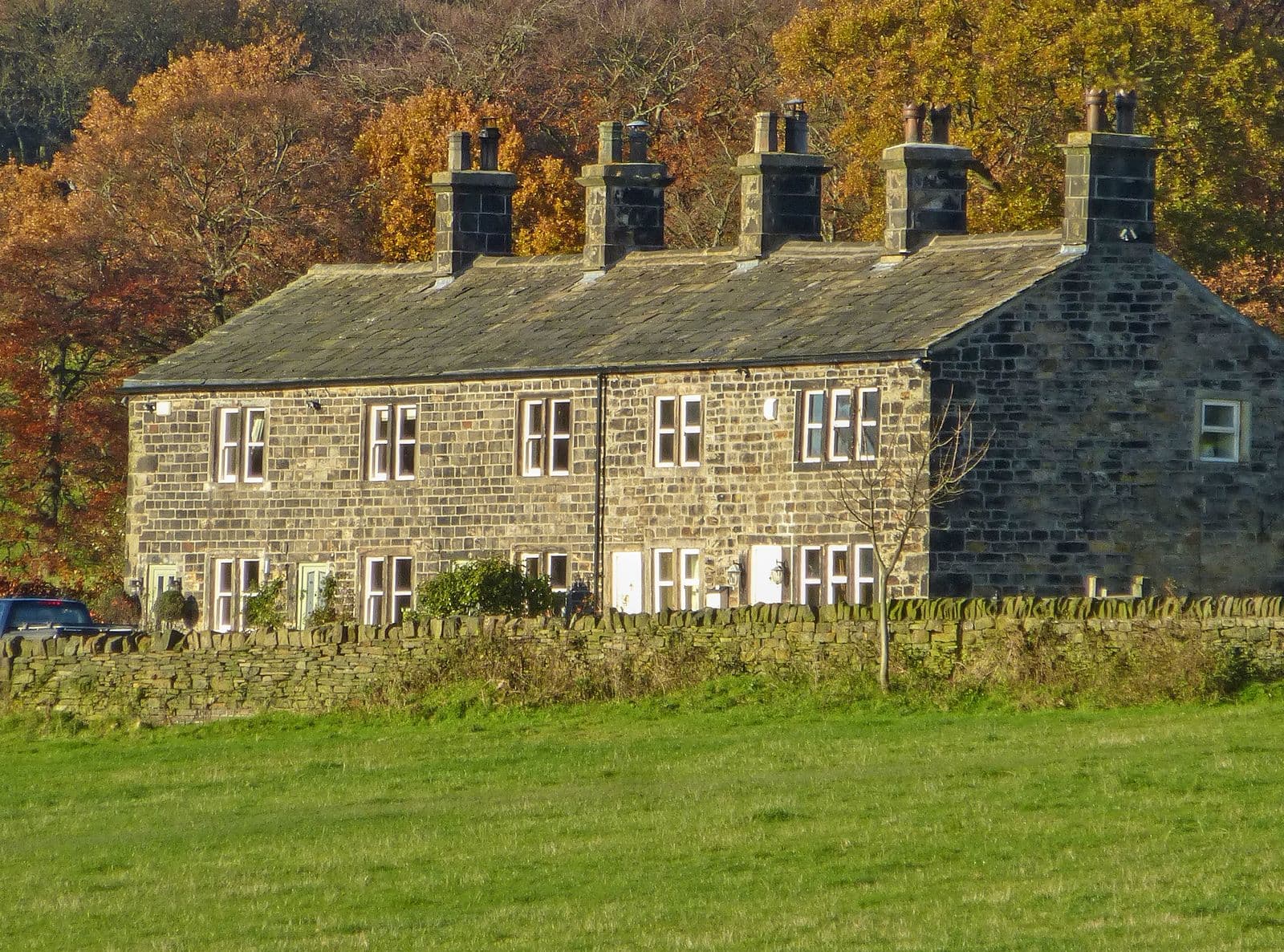
Stone slate roofs are found on old farmhouses, cottages and barns on the hills east of Macclesfield and across the Peak District edge. The slates are thick, heavy and of varying sizes, laid with the largest at the eaves and the smallest at the ridge, and fixed with pegs or nails on strong timbers. Repairing one means sorting and reusing every sound stone and finding matching reclaimed stone for the rest.
Where a building sits inside the Peak District National Park, the National Park Authority is the planning authority, and it has its own guidance on traditional roofing materials.
Bats and old roofs
Old roofs, especially near woodland and water, are common places for bats to roost, and all bat species in the UK are protected by law. If bats may be present, a bat survey may be needed before work starts, and if bats are found during work, it stops until an ecologist has advised. We build this into the planning of heritage jobs.
Read before you decide
Heritage roofing: questions people ask
Is my house listed?
You can search the National Heritage List for England, run by Historic England, by address. In Wales, Cadw keeps the list. The council's planning department can also confirm whether a property is listed or in a conservation area.
Can I use modern materials on a listed roof?
Usually only if the conservation officer agrees. Like-for-like is the normal expectation: natural slate or stone to match, lime rather than cement mortar, and lead for traditional details.
Why use lime mortar instead of cement?
Lime is softer and lets moisture escape, so it moves with old masonry and slate instead of cracking it. Hard cement mortar on an old roof or chimney can trap water and damage the stone or brick around it.
Do heritage roofs cost more?
Often, because the materials are specialist, reclaimed slate or stone has to be sourced and sorted, and the work is slower. A survey and a clear specification at the start help keep the cost predictable.
Tell us what is happening with your roof
Call, or send a few details and a photo if you have one. We will come back to you, arrange a visit and give you a written quote before any work starts.