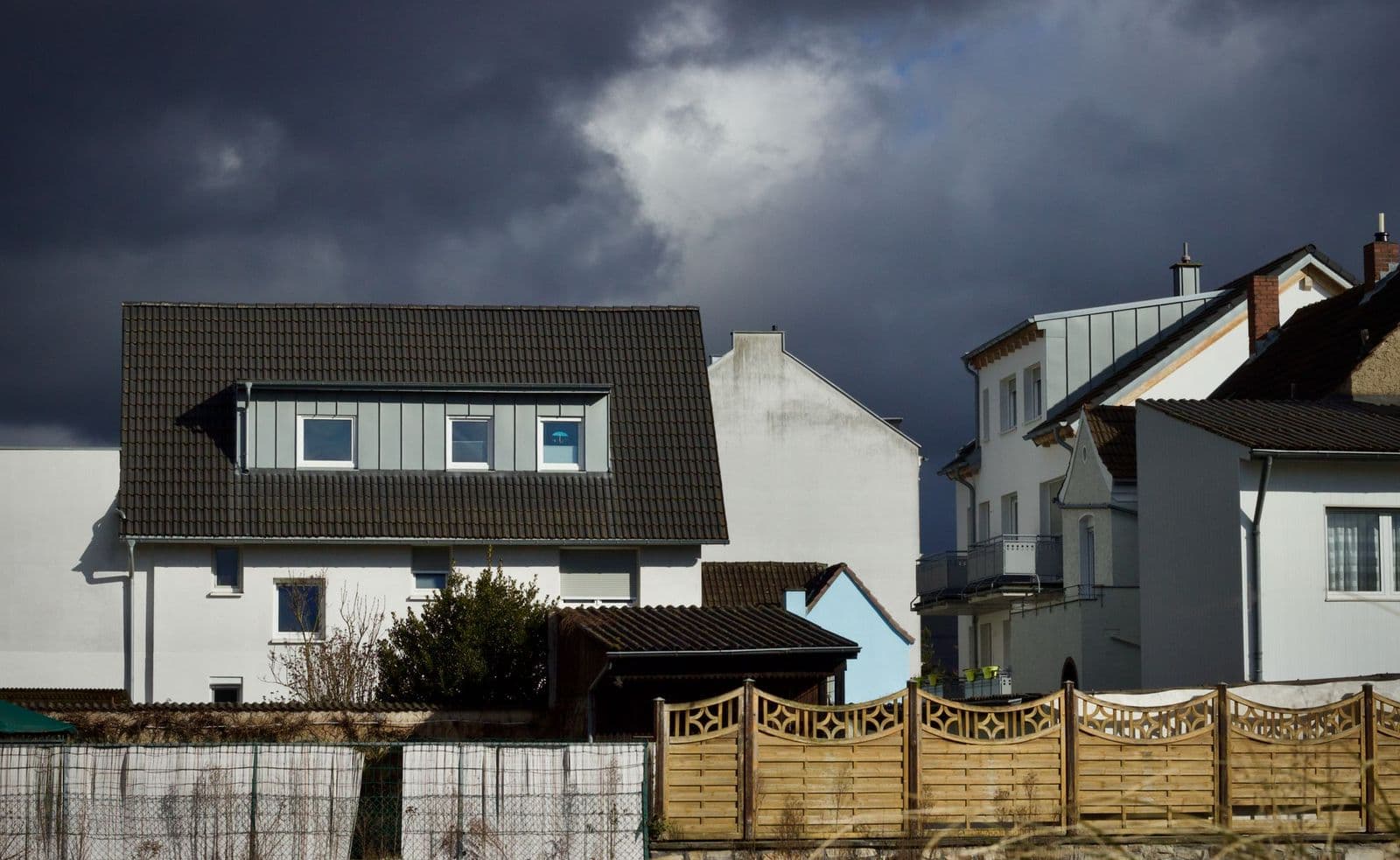
Right after the storm
Your safety comes before the roof. In order:
- Stay away from loose slates, tiles or chimney pieces that may still fall, and keep children and pets away from that side of the house
- If water is near electrics, turn off the power to that area at the consumer unit
- Catch drips in buckets and move valuables, furniture and electricals away
- If a ceiling is bulging with water, keep out of the room
- Do not climb onto the roof or up a ladder in wind or rain
Record the damage
Before anything is tidied or repaired, take photos and video: the roof from the ground, debris in the garden, damage inside, wet ceilings and stained walls. Note the date and time the storm hit and when you noticed the damage. Keep any damaged items if you can.
Insurers often check weather records for your area on the date of the claim, so a clear timeline helps.
Make the roof watertight
Most policies expect you to take reasonable steps to stop further damage, and many cover the cost of emergency work to do so. A roofer can refix slipped slates, fit a secure temporary cover over damaged areas, make a chimney safe and clear blocked gutters. Keep the invoice and ask for photos and a written description of what was found.
Emergency work is about stopping water. The permanent repair can usually wait until your insurer has agreed it, and many insurers want to see a quote or send their own surveyor before larger work starts.
Making the claim
Contact your insurer as soon as you can, by phone or online. Give them the photos, the timeline, the roofer's report and invoice for emergency work, and a quote for the permanent repair. Ask whether they want to send a surveyor or loss adjuster, and do not start the permanent repair until they have agreed, unless they tell you to go ahead.
Check your excess and what your policy covers. Damage to the building, such as the roof, is normally under buildings insurance; damage to belongings under contents insurance.
Why storm claims get turned down
The most common reason is that the insurer decides the damage was caused or made worse by wear and tear rather than the storm: old mortar on ridges, rusted nails, perished felt or a roof already in poor condition. Insurers may also decline if the weather did not meet their definition of a storm.
Regular maintenance helps here. A roof that has been looked after, with records or invoices, is easier to claim on. If you disagree with a decision, ask the insurer to explain it in writing; you can complain through their complaints process and then to the Financial Ombudsman Service.
Need this done? See our emergency roof repairs page or roof repairs, or ask us for a quote.
Questions we get asked
Will my insurance pay for a new roof after a storm?
Usually only for the part damaged by the storm. If the whole roof was already failing, insurers generally will not pay to replace it, though they may cover the storm-damaged area.
Should I get the roof repaired before the insurer visits?
Get it made watertight to stop more damage, and keep evidence. Hold off the permanent repair until the insurer has agreed it, unless they tell you otherwise.
What if my neighbour's roof damaged mine?
Tell both insurers. If debris from a neighbour's property caused the damage, the insurers will usually sort out between them who pays.
How quickly should I report storm damage?
As soon as practical. Most policies require prompt notification, and early reporting makes it easier to show the damage came from a specific storm.